What Is Concrete Formwork? The Essential B2B Guide for Global Construction Professionals
What Is Concrete Formwork?
The Essential B2B Guide for Global Construction Professionals
In the global construction industry, where infrastructure development and urbanization continue at a rapid pace, the demand for efficient, safe, and cost-effective building methods has never been higher. At the heart of most major construction projects—from soaring skyscrapers and complex bridges to residential foundations and industrial floors—lies a critical, yet sometimes overlooked, component: **concrete formwork**. This comprehensive guide is designed for international B2B buyers, project managers, and procurement specialists seeking to understand the technical nuances, market dynamics, and innovations in the formwork sector to make informed purchasing decisions.
Understanding Concrete Formwork: Definition and Core Function
Concrete formwork, often simply called *formwork* or *shuttering*, is a temporary or permanent mold into which fresh concrete is poured and compacted. The primary **purpose of formwork** is to hold the fluid concrete in place until it cures and gains sufficient strength to support its own weight and other imposed loads. The quality of the formwork directly impacts the final structure's dimensional accuracy, surface finish, and overall integrity, making it a pivotal element in construction quality control.
Key Components and Materials in Modern Formwork Systems
A formwork system is more than just panels. It is an engineered assembly typically comprising:
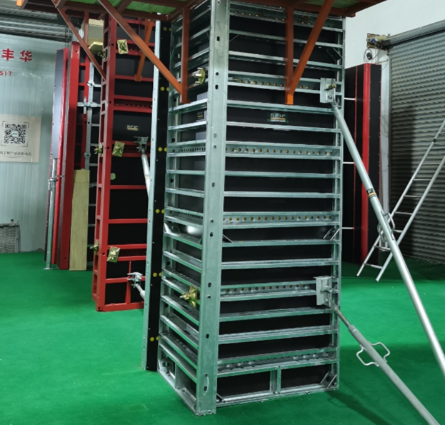
Panels : The surface in contact with concrete. Modern **construction formwork panels** are made from engineered wood (plywood), steel, aluminum, or plastic composites.
Supporting Structure: This includes walers, soldiers, and props that bear the immense hydrostatic pressure of wet concrete.
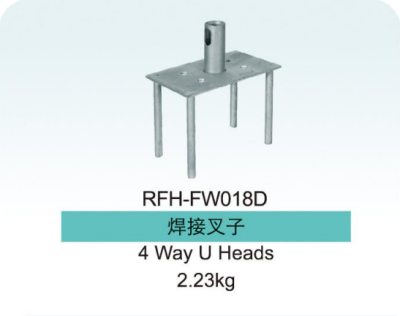
Fastening and Accessories: Ties, clamps, anchors, and brackets that hold the entire system together securely.
The choice of formwork material is a fundamental decision, balancing cost, reuse potential (number of pours), required finish, and project specifics.
Traditional vs. Engineered Formwork Systems
Traditional Timber Formwork: Built on-site using timber and plywood. It is highly adaptable for complex, one-off shapes but can be labor-intensive and less cost-effective for repetitive uses.
Engineered Formwork SYSTEM: Pre-fabricated modular systems designed for high efficiency. These include:
Climbing Formwork: Used for vertical structures like cores and bridge piers, it "climbs" with the building as it rises.
Jump Formwork: A crane-lifted system for fast, repetitive construction of high-rise cores.
Aluminum Formwork Systems: Lightweight, highly reusable systems ideal for large-scale residential projects with repetitive floor plans.
Global Market Trends and Data Insights for Formwork
The global formwork market is experiencing significant growth, driven by mega-infrastructure projects in Asia-Pacific, Middle Eastern diversification efforts, and sustainable urban development in Europe and North America. Market analysts project a steady compound annual growth rate (CAGR), with the market value expected to surpass several billion USD in the coming years. A key trend is the accelerating shift from labor-intensive, low-reuse systems toward **modular formwork solutions** and **engineered formwork** that offer greater productivity, enhanced jobsite safety, and lower total cost over a project's lifecycle.
Technological Advancements and Industry Trends
1. Digitalization and BIM Integration: Leading suppliers now provide detailed 3D models of their formwork systems for Building Information Modeling (BIM). This allows for precise planning, clash detection, and material optimization before arriving on-site, reducing waste and delays.
2. Sustainability and Circular Economy:Demand is growing for **eco-friendly formwork solutions. This includes systems designed for hundreds of reuses, panels made from recycled materials, and suppliers offering take-back or refurbishment programs to extend product lifecycles.
3. Focus on Safety and Ergonomics:Innovations aim to reduce manual handling and fall risks. Lightweight aluminum formwork, self-climbing mechanisms, and integrated working platforms are becoming standard in high-end systems.
4. Hybrid and Custom Solutions:For complex architectural features like curved walls or unique facades, custom concrete formwork fabricated using CNC machinery is on the rise, often employing advanced materials like glass-fiber reinforced plastic (GFRP).
The Formwork Application Process: From Planning to Striking
Understanding the formwork installation process is crucial for buyers to appreciate the value of a well-designed system.
1. Planning & Design: Engineers select the system type, calculate concrete pressures, and design the formwork layout. BIM is instrumental here.
2. Fabrication & Supply: Panels and components are manufactured to precise tolerances, then shipped to the site, often with clear labeling for easy identification.
3. Assembly/Erection:Crews assemble the formwork on-site according to drawings, ensuring it is level, plumb, and securely braced. **Proper concrete formwork bracing** is critical to prevent failure during the pour.
4. Concrete Placement: Once the reinforcement steel is placed, concrete is poured into the mold. The formwork must contain the concrete without deflection or leakage.
5. Curing & Stripping:After the concrete achieves the necessary strength (often tested on-site), the formwork is carefully removed ("struck"). A high-quality system allows for easy stripping without damaging the new concrete surface.
6. Refurbishment & Reuse:The formwork is cleaned, inspected, and prepared for its next use, whether on the same project or shipped to another.
Frequently Asked Questions (FAQ) for B2B Buyers
Q1: How do I choose between plywood, steel, and aluminum formwork?
The choice depends on your project's key drivers. Use **plywood formwork** for low-budget projects with few reuses or complex geometries. **Steel formwork** offers extreme durability and a high number of reuses (500+), ideal for heavy civil projects. **Aluminum formwork** provides an excellent balance of lightweight handling and durability (300+ reuses), perfect for fast-paced, repetitive structures like multi-story buildings.
Q2: What are the most important factors when evaluating a formwork supplier?
Look beyond price. Key factors include: **Technical support and design services**, the availability of spare parts and accessories, the proven **reuse rate of their formwork systems**, their commitment to **safety standards** (e.g., EN 12812, OSHA compliance), and their global logistics capability to deliver and support your project timeline.
Q3: How can formwork impact my project's total cost and timeline?
Efficient formwork can significantly reduce on-site labor time for assembly and striking, directly accelerating the construction cycle. A system with high reuse potential lowers the cost per pour. Conversely, poor-quality formwork can lead to delays from failures, costly repairs to concrete surfaces, and increased labor for fixing errors.
Q4: Are rental/leasing options available for formwork systems?
Yes, many reputable suppliers offer flexible **formwork rental programs**. This is an excellent option for projects with a defined scope, as it reduces upfront capital expenditure, eliminates long-term storage costs, and often includes maintenance and technical support from the supplier.