What Are Formwork Panels?
What Are Formwork Panels?
The Modular Solution for Modern Construction
Industry Background and Market Overview
In the rapidly evolving global construction industry, *formwork panels* serve as a critical temporary structure, forming the core support system for concrete pouring. These panels not only determine the final shape, dimensions, and surface quality of concrete elements but are also key factors influencing construction efficiency, cost, and safety. With the acceleration of global urbanization and the expansion of infrastructure and real estate projects, the *formwork panel market* continues to grow. This growth is primarily driven by large-scale infrastructure projects in the Asia-Pacific and Middle East regions, as well as demand for green building and efficient construction technologies in Europe and North America.
Definition and Core Functions of Formwork Panels
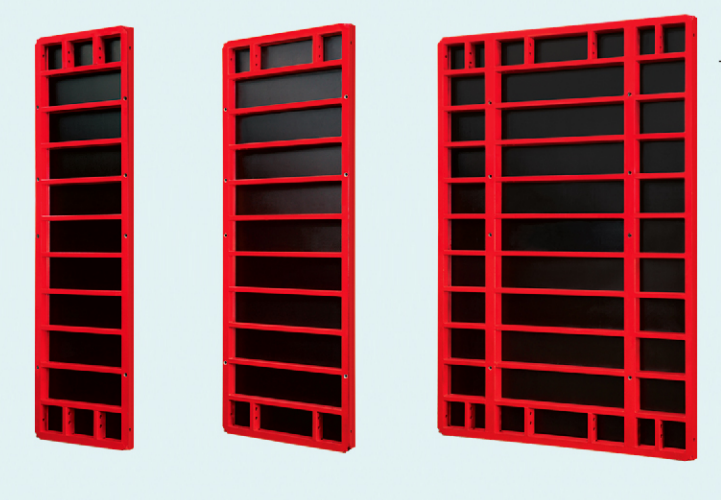
Formwork panels, also known as concrete formwork panels, are rigid or semi-rigid sheets or component systems used to support fresh concrete until it gains sufficient strength to form the intended structural shape. These panels are typically made from materials like steel, aluminum, timber, plywood, or composite plastics and are assembled and dismantled according to project requirements. Their primary functions include:
Molding: Precisely shaping the geometry of concrete structures such as walls, columns, slabs, and beams.
Supporting: Bearing the wet weight of concrete, construction loads, and external pressures to ensure site safety.
Finishing: Providing the desired concrete surface texture and finish, minimizing the need for post-treatment.
Key Technologies and Types of Formwork Panels
Primary Materials and Technical Features
Modern formwork panels can be categorized into several main types based on material and application technology:
1. Steel Formwork Panels: Renowned for their high strength, durability, and reusability. The surface is often coated for corrosion resistance and easy stripping, delivering a very smooth concrete finish. Ideal for large-scale, repetitive projects like high-rise cores and large bridge piers.
2. Aluminum Formwork Panels: Lightweight, easy to handle and install, while maintaining good strength and durability. Their light weight is particularly suited for projects with tight deadlines, effectively reducing labor costs.
3. Timber and Plywood Formwork Panels: Traditional and flexible, with relatively low cost and easy on-site cutting and shaping for complex or irregular concrete structures. Modern film-faced plywood significantly increases its reuse cycle.
4. Composite Plastic Formwork Panels: Lightweight, chemically resistant, easy to clean, and provide a consistent surface finish. Often used in projects with special requirements for concrete aesthetics.
The Trend Towards Systemized Formwork Solutions
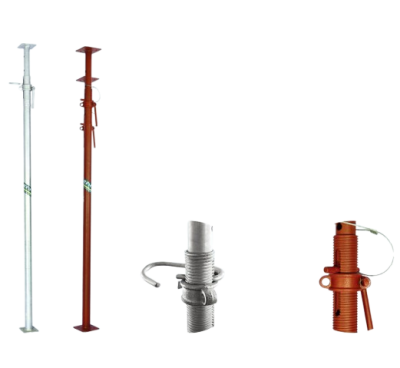
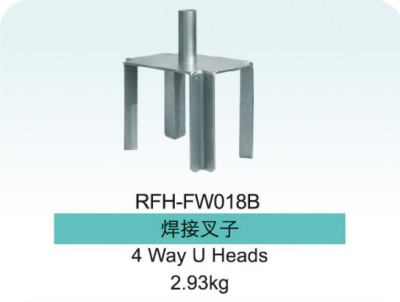
The market is increasingly shifting towards *systemized formwork solutions**rather than just loose panels. This includes *modular formwork panels*, *flying form systems*, and *climbing formwork systems*. These systems are engineered with standardized connectors, supports, and tie systems designed for rapid assembly, precise alignment, and safe operation, significantly enhancing *on-site construction efficiency* and *project management*. For example, automated climbing systems in super-tall building construction allow for self-raising formwork, drastically reducing project timelines.
Application Advantages and Industry Trend Analysis
Core Value for International B2B Buyers
For B2B buyers, investing in high-quality formwork systems translates to:
Reduced Total Project Cost: Although the initial investment may be higher, high reuse cycles and low maintenance needs lower the cost-per-use.
Shortened Construction Cycles: Rapid assembly and stripping accelerate project progress, offering significant benefits in regions with high labor costs.
Enhanced Quality and Safety: Ensure dimensional accuracy and surface finish, reducing defects; robust design and integrated safety features protect workers.
Improved Sustainability: Reusable formwork reduces construction waste, aligning with green building certification requirements.
Future Market and Technology Trends
1. Lightweight & High-Strength Materials: Development of lighter, stronger alloys and composites to further ease transportation and installation.
2. Digitalization & Smart Technology :Integration with BIM (Building Information Modeling) for design and simulation; use of RFID or QR codes for inventory and logistics management; exploration of 3D printing for customized forms.
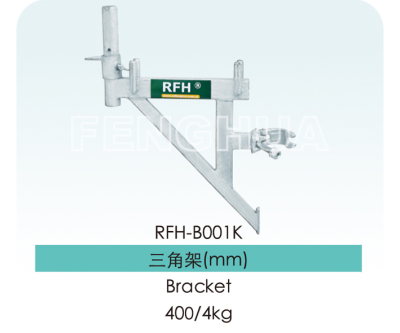
3. Safety & Ergonomics: Integration of more work platforms, guardrails, and optimized connection methods to reduce fall risks and physical strain.
4. Growth of Rental Models: To lower clients' initial capital expenditure and provide flexibility, the professional formwork rental market with technical services is expanding.
Frequently Asked Questions (FAQ) for Buyers
Q1: How do I choose the right formwork panel material for my project?
A: The choice depends on several factors: Project Scale & Repetition (large, repetitive structures suit steel/aluminum), Concrete Surface Requirements(steel or high-quality film-faced plywood for smooth finishes), Project Budget & Timeline(aluminum for fast-track projects), and Local Labor Skills & Equipment. We recommend discussing your project drawings and specific needs in detail with your supplier.
Q2: What is the typical reuse cycle for formwork panels, and how does it impact my costs?
A: Reuse cycles vary by material and maintenance: High-quality film-faced plywood can achieve 20-30+ cycles; well-maintained steel and aluminum forms can reach hundreds or even thousands of cycles. A higher reuse cycle means a lower cost-per-use. Conducting a Total Cost of Ownership (TCO) analysis, rather than just comparing initial purchase prices, is a smarter decision-making approach.
Q3: Do you provide technical support, installation training, or on-site supervision?
A: Yes, reputable international suppliers typically offer comprehensive technical support packages. This can include BIM-based formwork design, detailed installation drawings and manuals, on-site or online installation training, and on-site technical guidance during critical construction phases to ensure the system is used correctly, efficiently, and safely.
Q4: Regarding shipping and logistics, how do you assist international buyers?
A: Professional formwork suppliers have extensive experience in international freight. They can provide optimized packaging to reduce shipping volume, handle all export documentation, arrange door-to-door logistics, and schedule staggered shipments according to your project timeline to help you manage inventory and on-site storage space.