
 Español
 Portugues
 Français
 العربية
Construction Concrete Formwork
Construction concrete formwork is a temporary or permanent mold used to shape and support freshly poured concrete until it hardens and gains enough strength to stand on its own. It plays a critical role in modern construction because concrete, while strong after curing, is fluid at the time of placement and needs a precise structure to maintain the desired shape, size, and surface finish. Without proper formwork, concrete would spread uncontrollably, resulting in weak structural performance, poor appearance, and costly rework.The main purpose of concrete formwork is to provide support and stability during the casting process. It must resist the pressure of wet concrete, which can be significant, especially in tall walls, columns, and deep foundations. Formwork also determines the accuracy of the finished structure. The quality of the formwork directly affects the alignment, dimensions, and smoothness of the concrete surface. For this reason, builders carefully plan formwork design to ensure it meets project requirements and safety standards.Concrete formwork can be made from different materials, including timber, plywood, steel, aluminum, and plastic. Timber and plywood are commonly used for small or custom projects because they are flexible and easy to cut. Steel formwork is strong, durable, and suitable for repetitive use in large projects. Aluminum formwork is lightweight and easy to handle, making it efficient for fast construction. Plastic formwork is also gaining popularity because it is reusable, lightweight, and resistant to moisture. Each material has its own advantages depending on the scale, budget, and complexity of the project.There are several types of concrete formwork used in construction. Wall formwork is used for vertical structures such as retaining walls and building cores. Column formwork shapes vertical load-bearing members. Slab formwork supports horizontal concrete elements like floors and roofs. Beam formwork is used to form structural beams that connect columns and support slabs. Foundation formwork is used for footings and other below-ground structural parts. In addition, special formwork may be designed for curved surfaces, staircases, bridges, and architectural features.A successful formwork system must be strong, stable, accurate, and easy to assemble and remove. It should also be economical and reusable whenever possible. Safety is another important consideration, as workers must install and strip the formwork without causing accidents or damaging the concrete. Proper bracing, sealing, and leveling are essential to prevent leakage, deformation, and surface defects. After the concrete has cured sufficiently, the formwork is carefully removed or left in place if it is part of a permanent system.In summary, construction concrete formwork is an essential part of the building process. It provides the shape, support, and precision needed to create durable concrete structures. With the right design and materials, formwork improves construction efficiency, quality, and safety.
Products
Category:
-
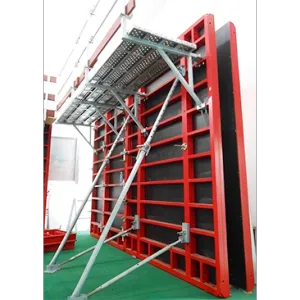
Construction Concrete Formwork
Category: Heavy Duty Steel FormworkBrowse number: 29Number:Release time: 2026-09-28 18:47:14Construction Concrete Formwork is designed to provide stable support and accurate shaping during concrete construction. Our formwork systems feature high strength, durability, flexible installation, and repeated use performance. They are widely used in residential buildings, commercial projects, bridges, and infrastructure applications, helping contractors improve efficiency and achieve reliable concrete results.
News
Category:
No search results found!
Case
Category:
No search results found!
Video
Category:
No search results found!
Download
Category:
No search results found!
Job
Category:
No search results found!
Featured Products
-
NEWS
Construction Concrete Formwork
Learn more



 Phone
Phone